An embedded system that displays humidity and time
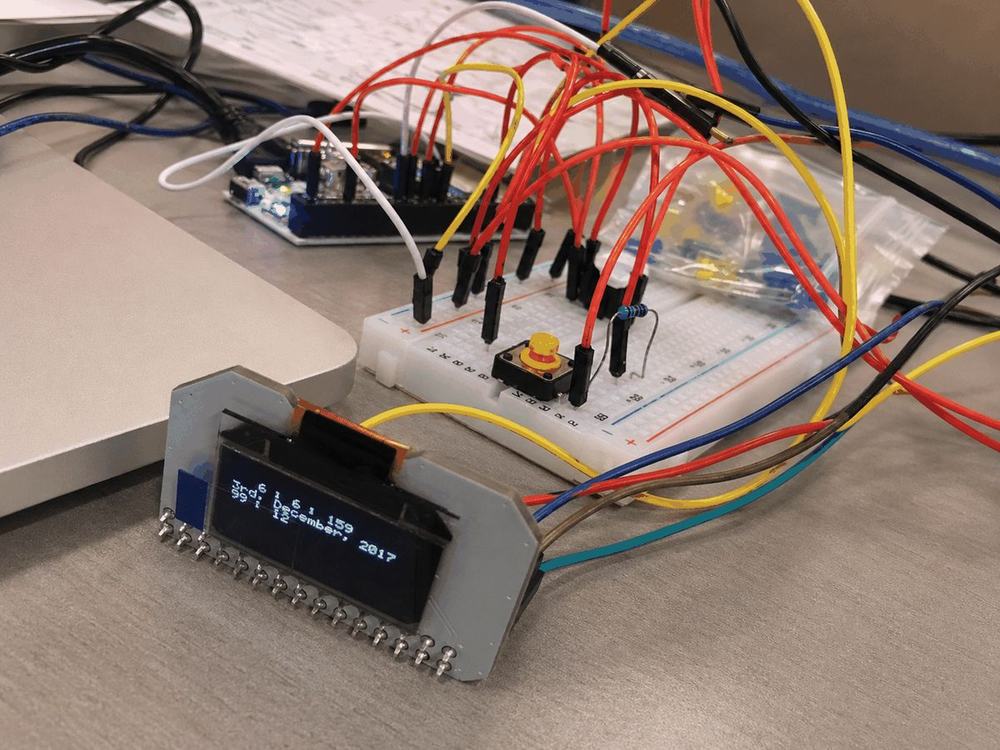
Problem. A humidity display sounds simple until it is built on a Linux-class board. Unlike a microcontroller, a Linux system separates the physical pins, kernel drivers, device configuration, and user-space program. The challenge is making every layer agree on what the hardware is doing.
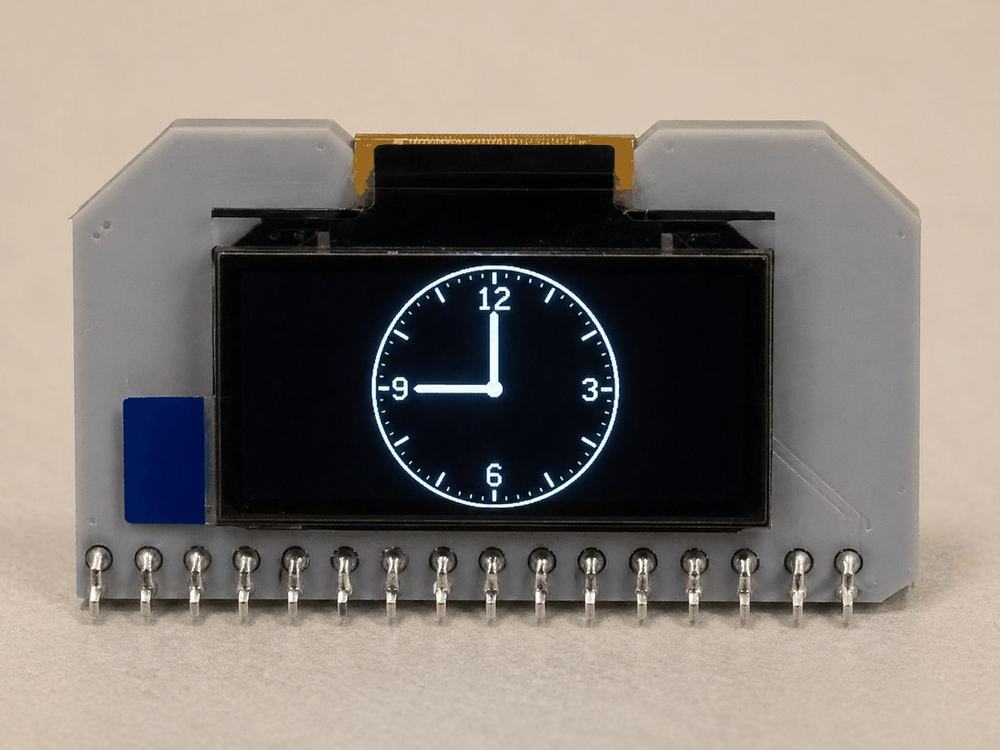
What we did. The project built a small monitor that displayed humidity, time, date, and countdown functions. The work involved sensor integration, display control, driver bring-up, and alignment between the Linux system and the external hardware. The board was treated as a tiny computer rather than a pin-by-pin control board.
Result. The result was a working embedded monitor and an early exercise in hardware-software integration below the normal application layer. The important deliverable was not the humidity number itself, but the experience of making kernel-level hardware access and user-level functionality meet cleanly.
Why it matters. Many real products live in this boundary between hardware and software. Embedded Linux skill matters for robotics, instruments, medical devices, and edge AI systems because the best algorithm is useless if the drivers, timing, and physical I/O are unreliable.