Cooling down atoms with only one laser and a grating
Problem. A conventional magneto-optical trap (MOT) cools atoms using six carefully aligned laser beams. That works in a physics lab, but it is bulky and alignment-heavy. A grating MOT replaces much of that optical complexity with a reflective diffraction grating that splits one incoming beam into the beams needed for atom cooling.
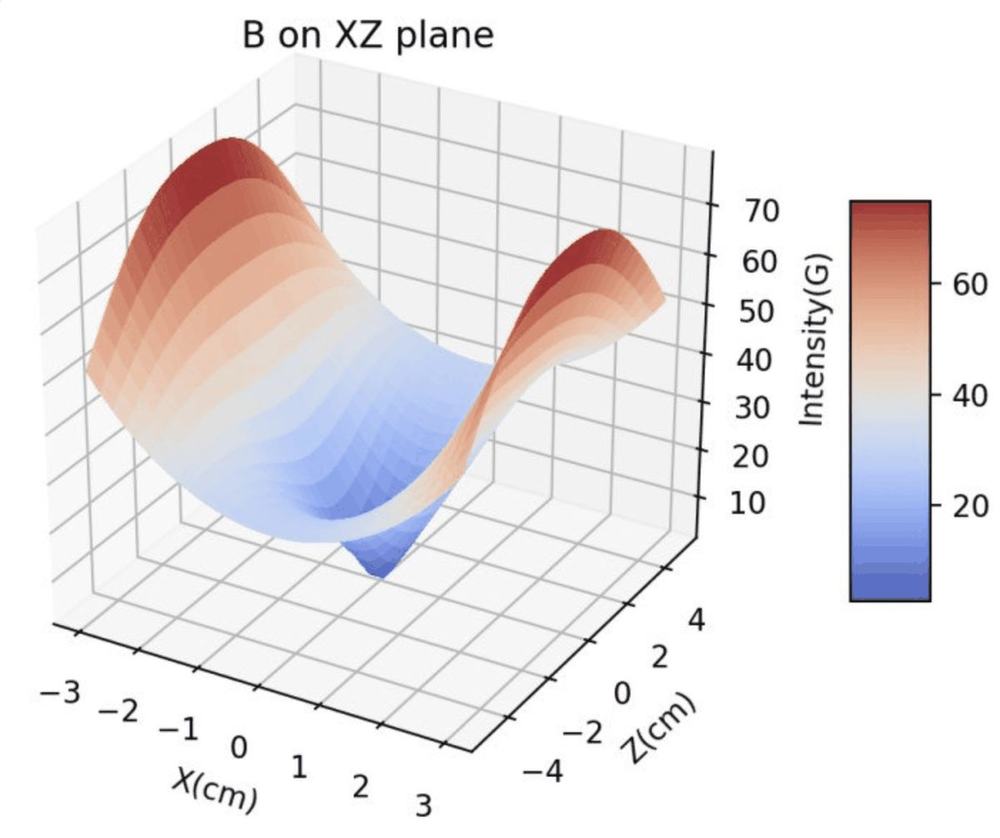
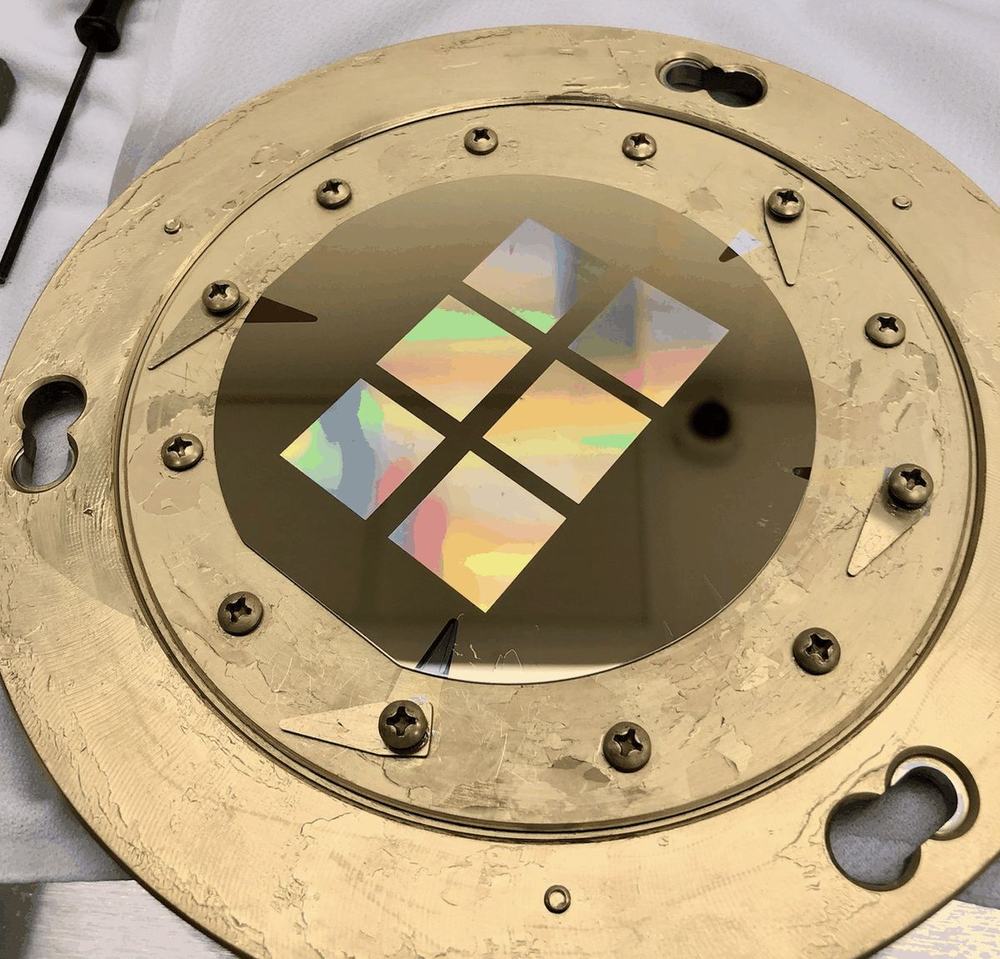
What we did. The project approached the problem from both simulation and fabrication. A custom Python electromagnetic solver modeled the magnetic-field geometry, while Lumerical FDTD and GRCWA helped design the grating optics. On the fabrication side, the work explored maskless lithography and Lloyd-interferometer interference lithography, including direct gold deposition on patterned photoresist to avoid slower and more expensive etching routes.
Result. We demonstrated low-cost, large-area diffraction-grating fabrication for atom-cooling hardware. Compared with electron-beam lithography, the approach targeted much faster patterning over centimeter-scale areas and produced grating prototypes suitable for compact MOT development.