Algorithm for photonic pattern design
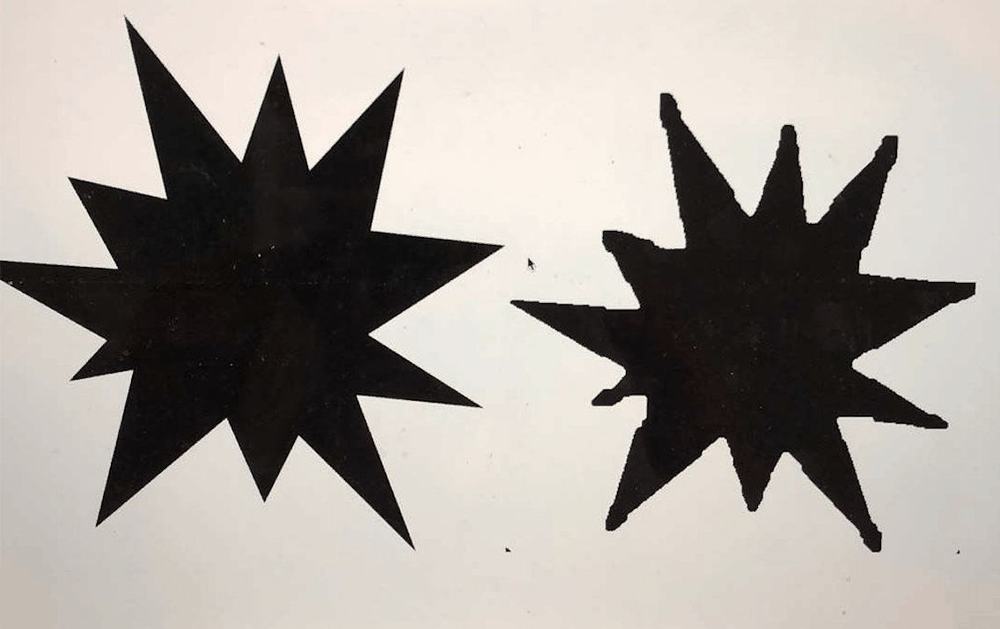
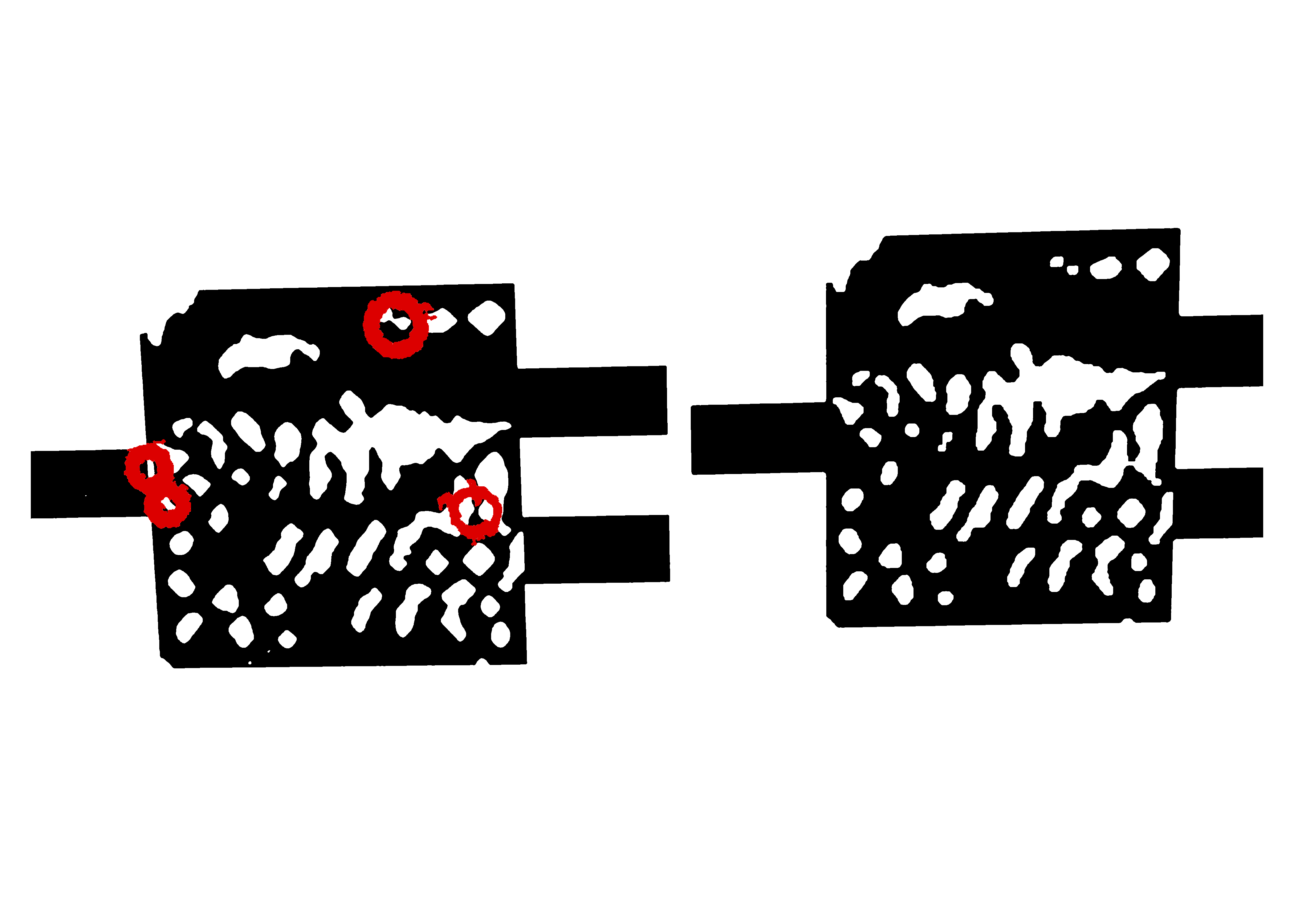
Nowadays, more and more photonics groups rely on AI to generate photonic designs that have ideal behavior. This approach might produce mathematically strong designs that are physically annoying to fabricate: sub-resolution holes, fragile bridges, and sharp edges that will round or fail during processing.
We implemented a computer-vision algorithm that removed unwanted regions and made sure the resulting design is fully fabricable. After the algorithm, the generated pattern was simulated again to ensure that FoM decreased by less than 5%. Designs that do not preserve FoM are re-generated.
Result. AI generated photonics designs can first be reliably produced in real life. Those AI tools are no longer academic toys but productivity.