Household milk adulteration detector
Problem. Melamine contamination in milk is a food-safety problem that normally requires lab-scale chemical analysis. That makes routine household or small-vendor testing difficult. The goal was to make detection cheaper, smaller, and easier to use without losing the optical information needed for classification.
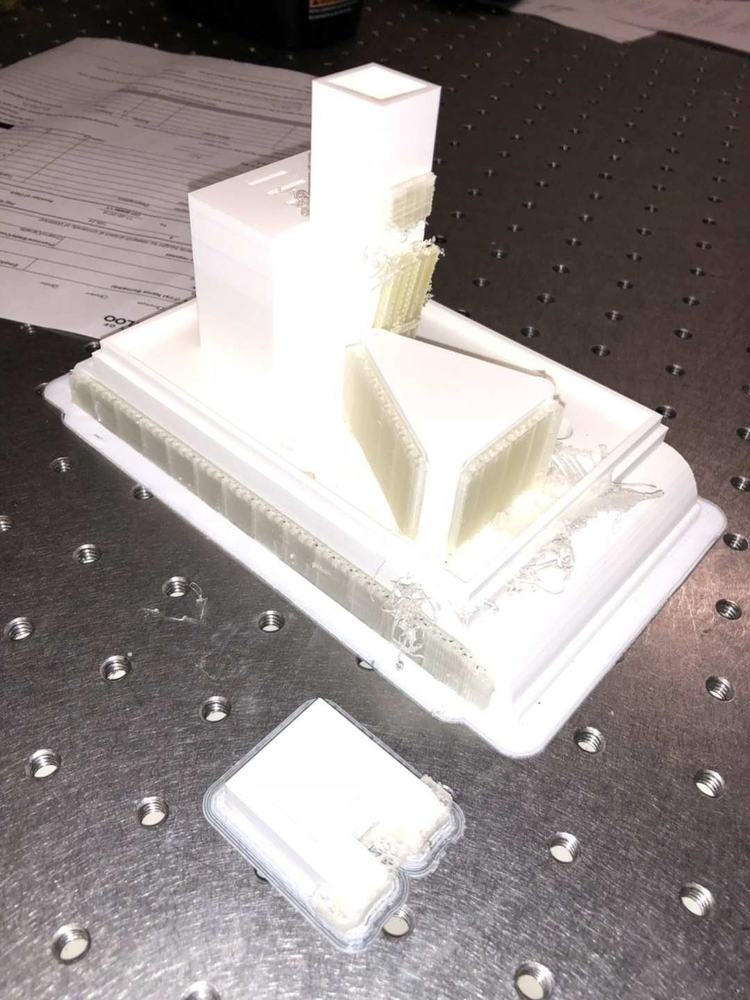
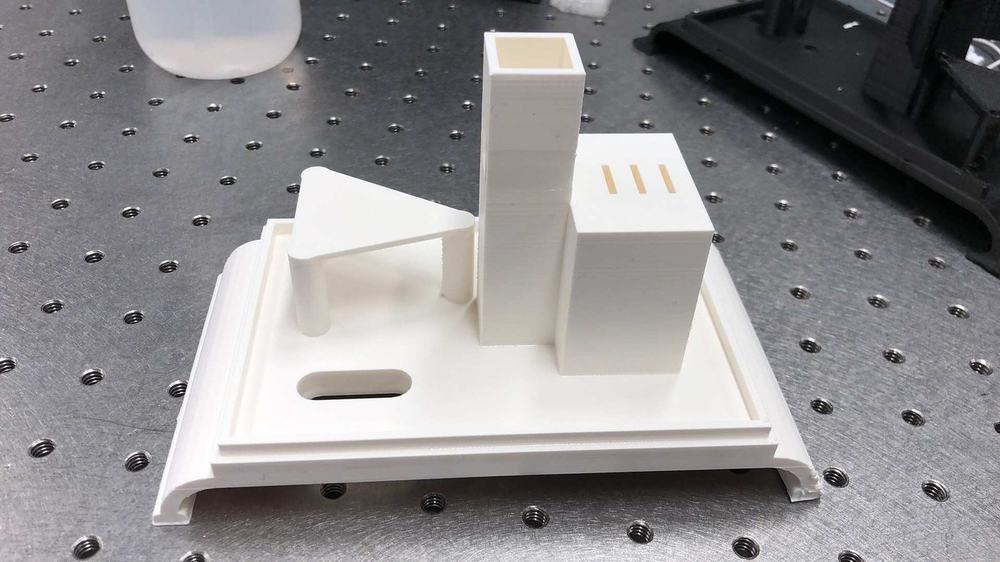
What we did. The project designed a compact optical spectrometer around melamine-related absorption features. Lumerical FDTD was used for diffraction-grating design, while the mechanical package used 3D printing and dissolvable support material to create small internal optical structures. A smartphone camera served as the imaging and readout element.
Result. The prototype reached greater than 95% detection accuracy at a cost point intended for consumer-scale use. The technology path was later connected to Savormetrics, showing a route from photonics design toward a practical product.
Why it matters. The 2008 milk scandal was a significant food safety incident in China. That scandal involved melamine adulteration, which causes kidney damage in infants. While existing melamine testing devices are as large as a room and cannot be deployed in family houses, our device is hand held, greatly improves its accessibility and affordability.