Welcome to Yujia's homepage
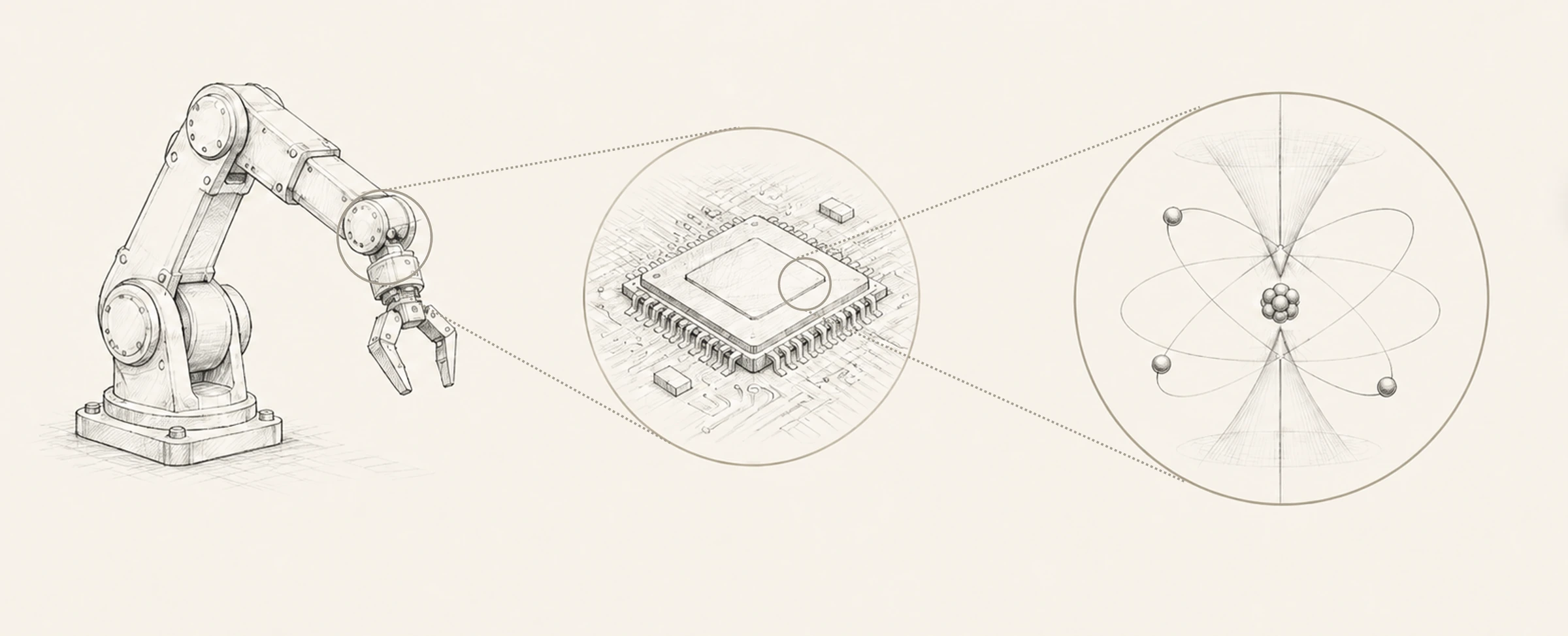
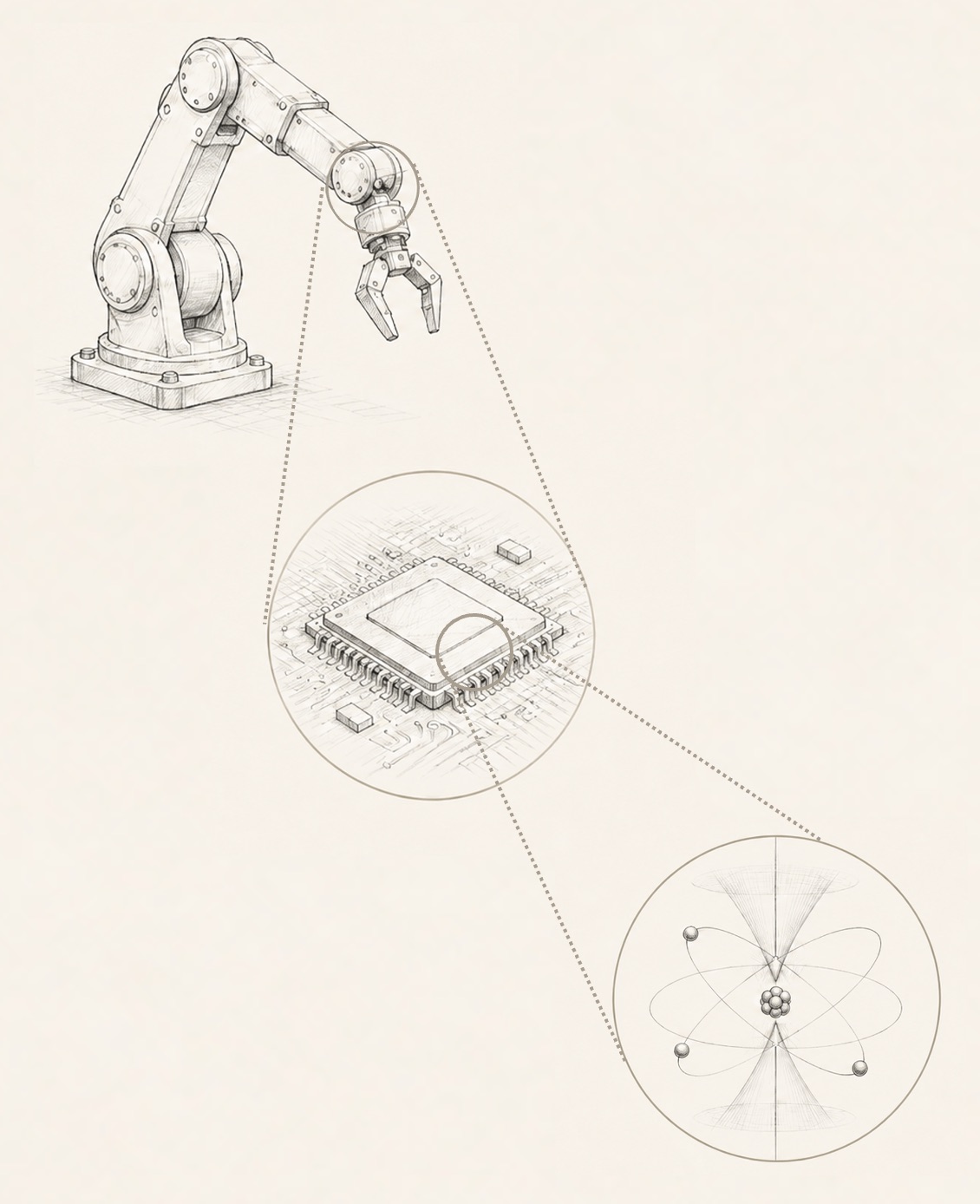
Building hardware for machine intelligence across scales
About Me

I'm Yujia Yuan, an Electrical Engineering PhD student at Stanford University in Prof. Zhenan Bao's group, where I work on high-resolution tactile sensing and sensor fusion for robotics. I am also honored to be a Shoucheng Zhang Fellow. Before Stanford, I earned my BASc in Electrical Engineering with a Physics Minor from the University of Waterloo, working in quantum science and photonics with Prof. Michal Bajcsy and Prof. Simarjeet Saini.
I build physical hardware for future machine intelligence across scales — from real life sensors and robotics to microelectronics to atomic physics. My goal is to turn deep physics and broad engineering knowledge into real-world systems that help humanity advance living quality.
Physical Intelligence Across Scales
Human Scale
Tactile sensing, motor systems, embedded hardware, robotics, and fun experiments.
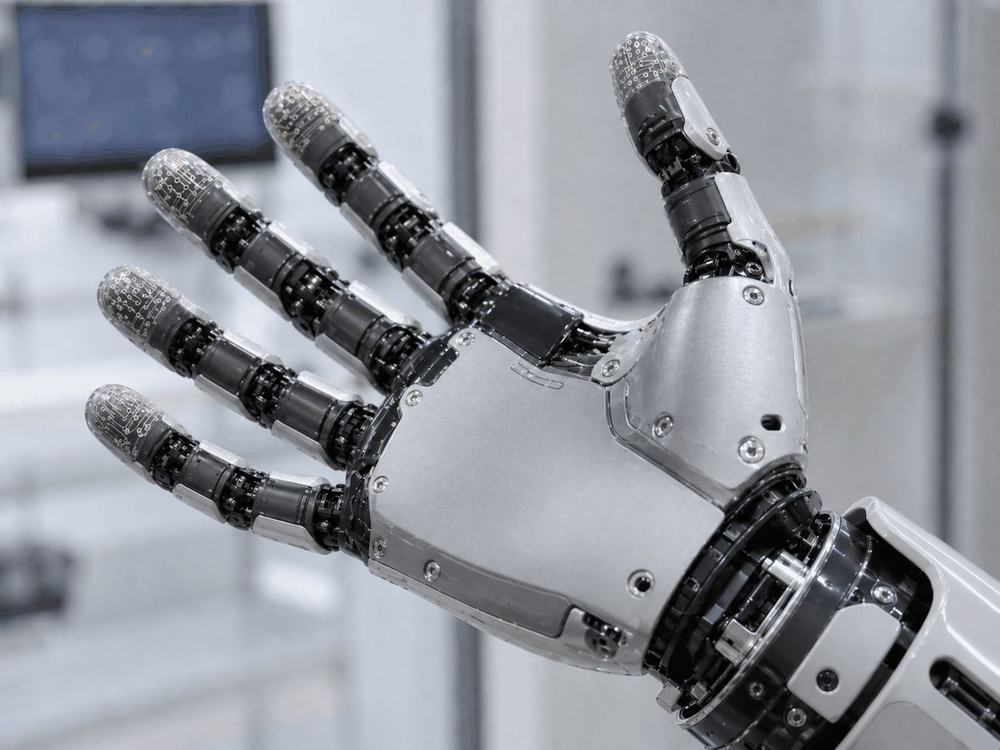
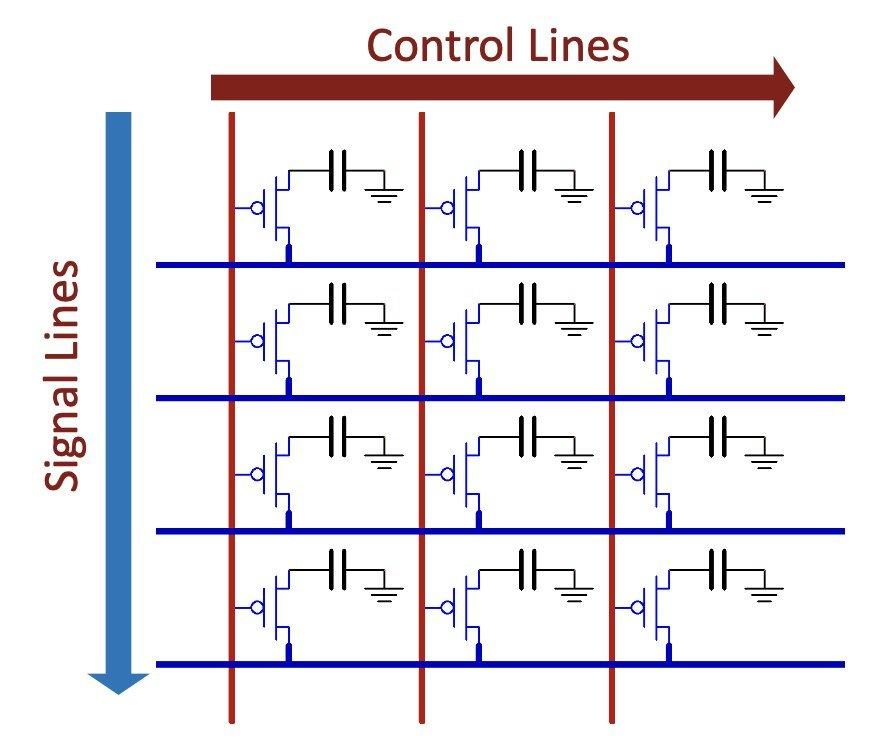
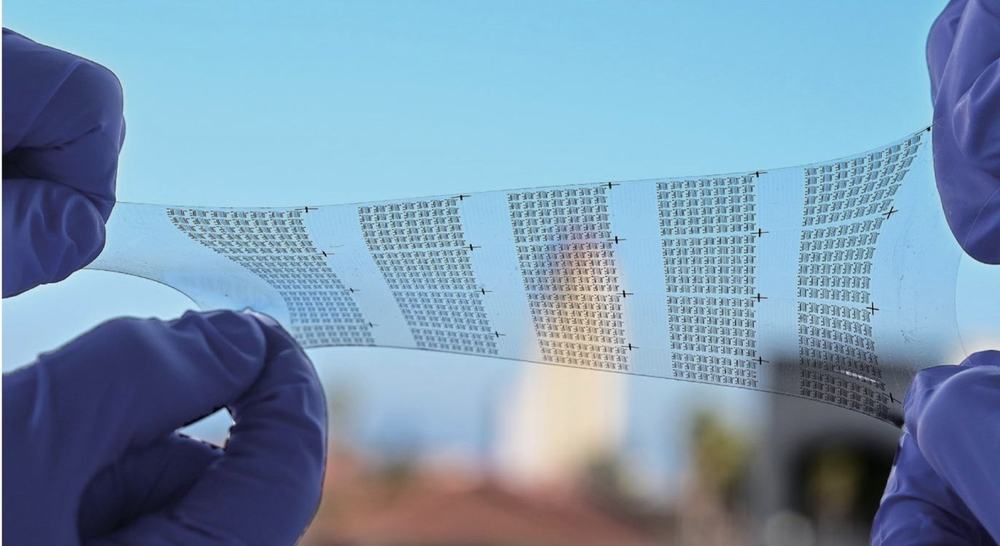
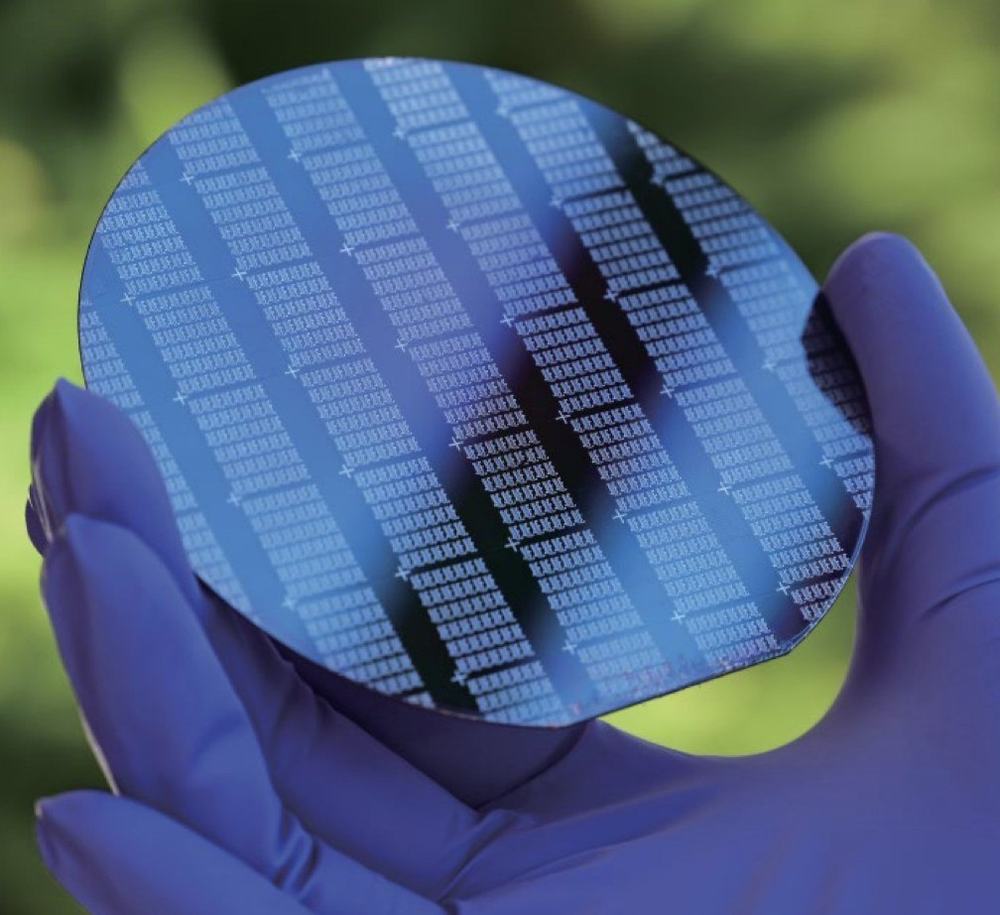
High density robotic tactile mimicking human fingertip
Capacitive pressure sensor array with a density comparable to that on human fingertip.
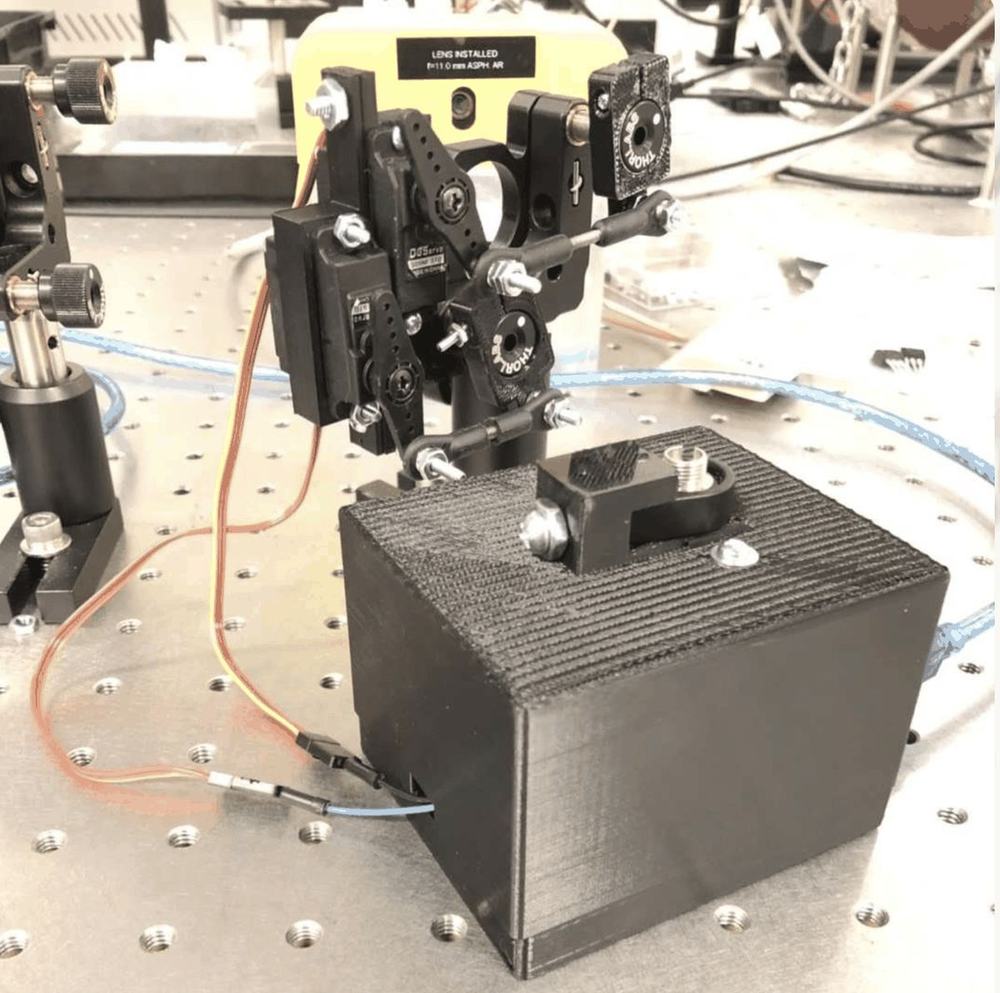
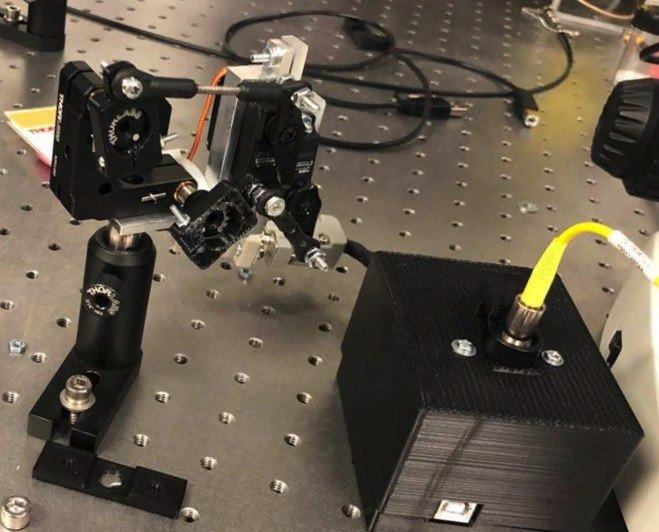
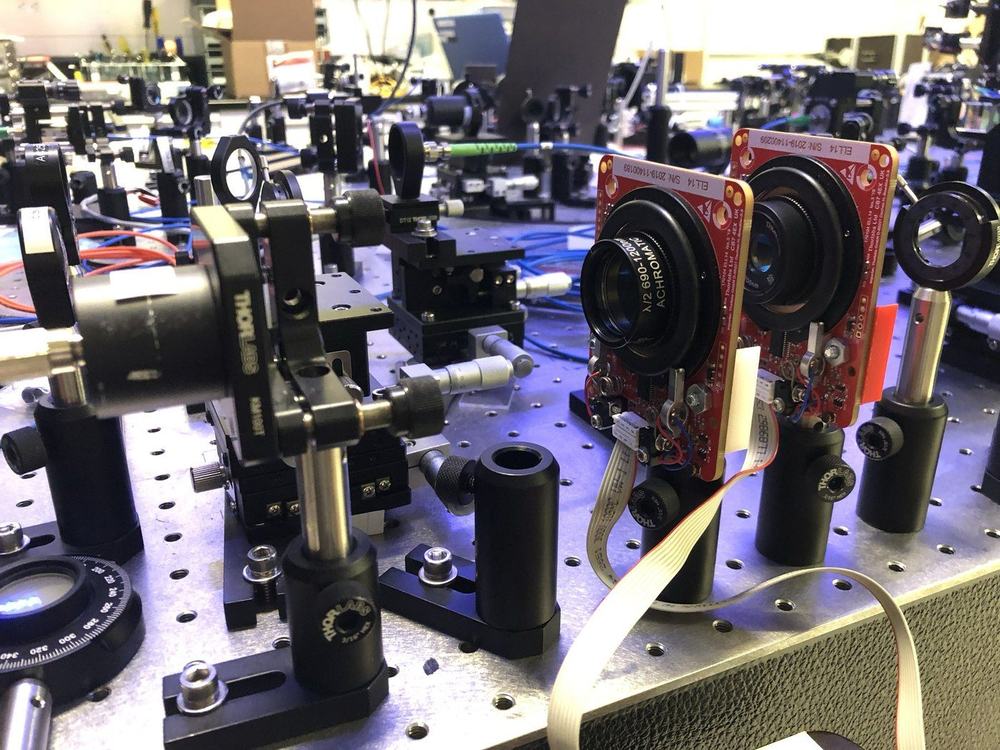
Automated motors for optics calibration
With photodiode feedback, this motor system can auto calibrate when coupled laser is weak.
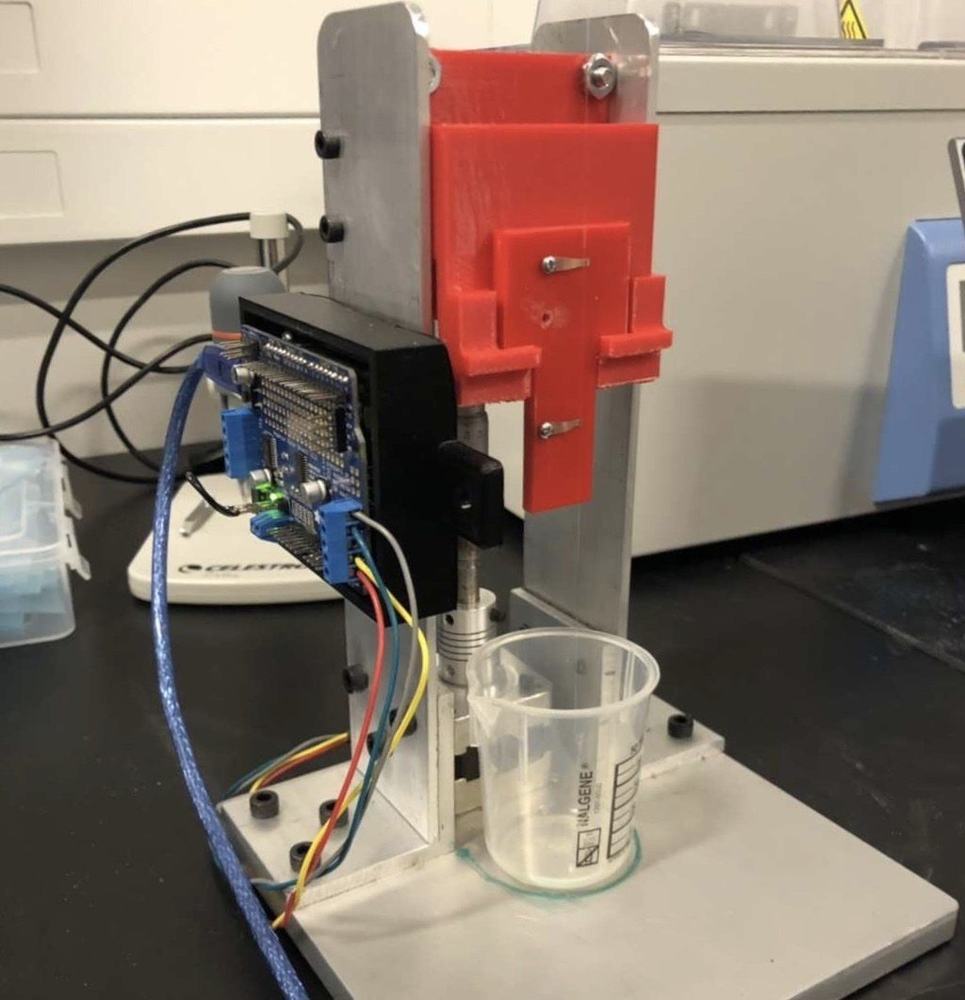
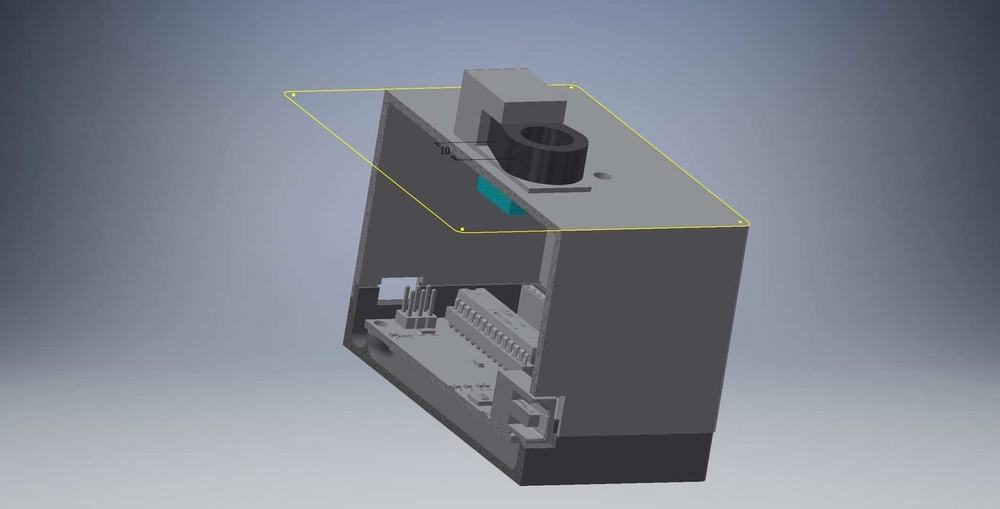
Motor system for controlled wet etching
A full self-made system that etches optical fiber at controlled speed.
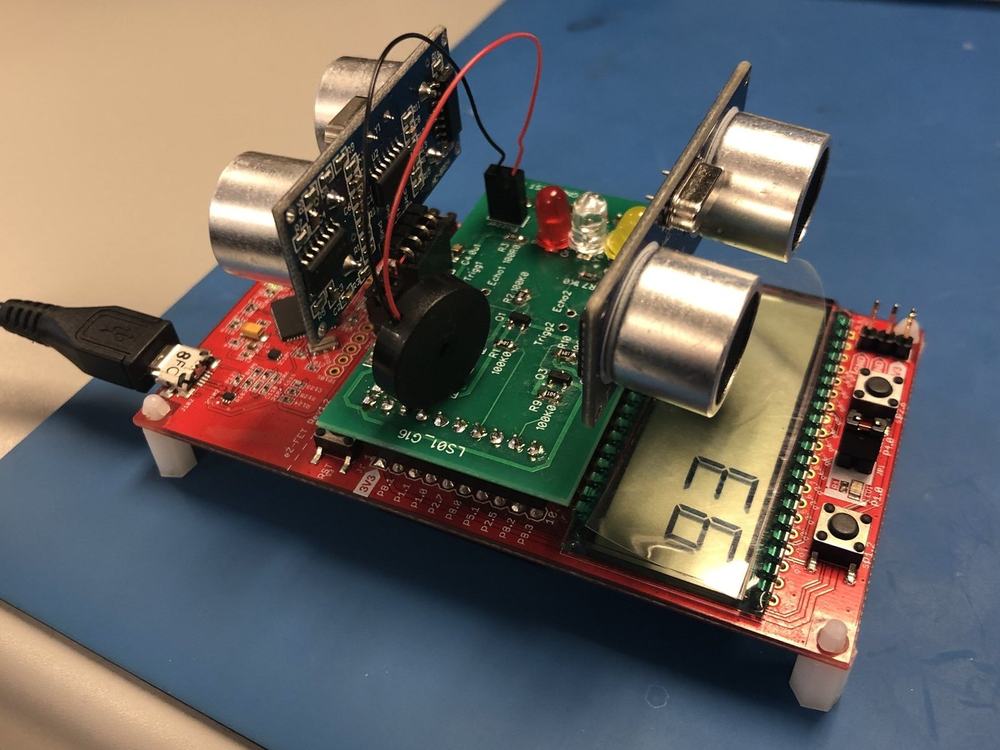
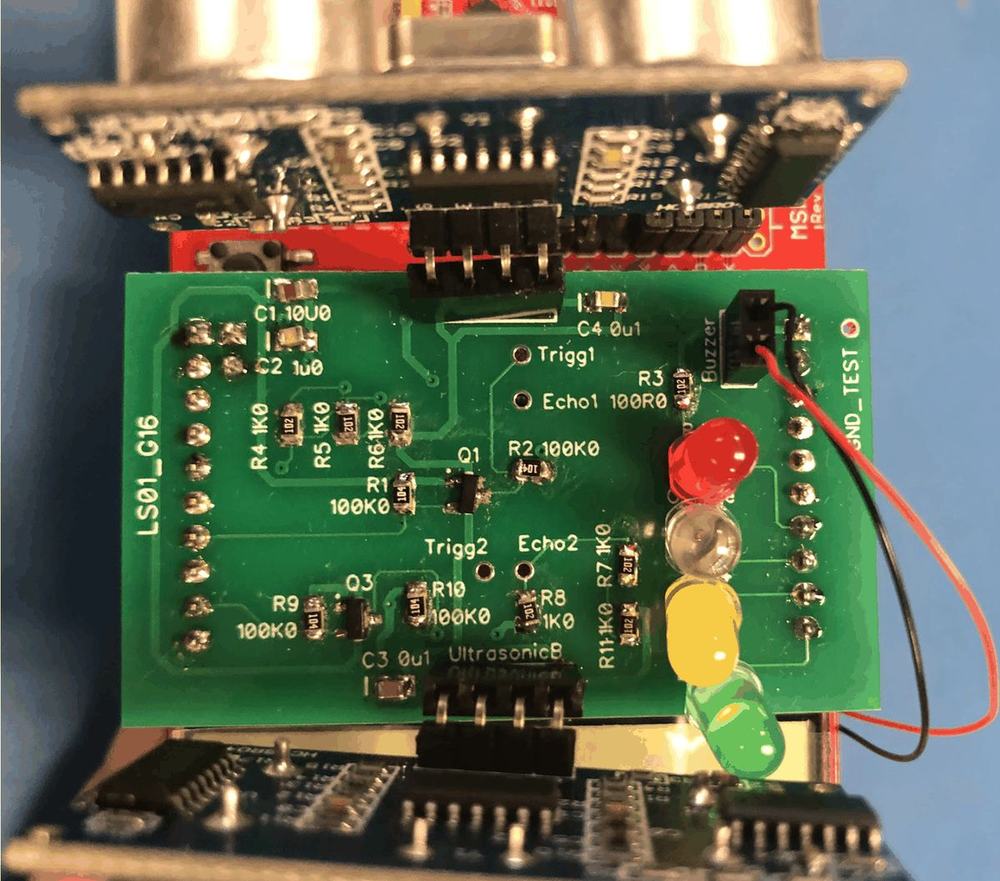
Safety monitor for underground miners
An ultrasonic sensing system that alarms when mining workers are too close to obstructions.
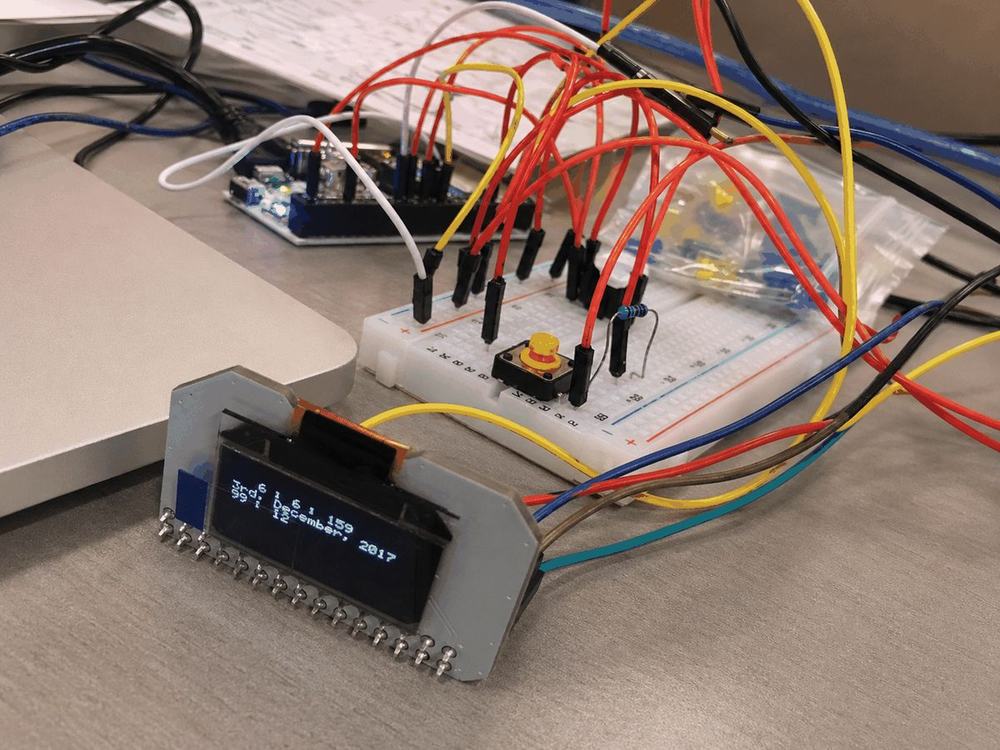
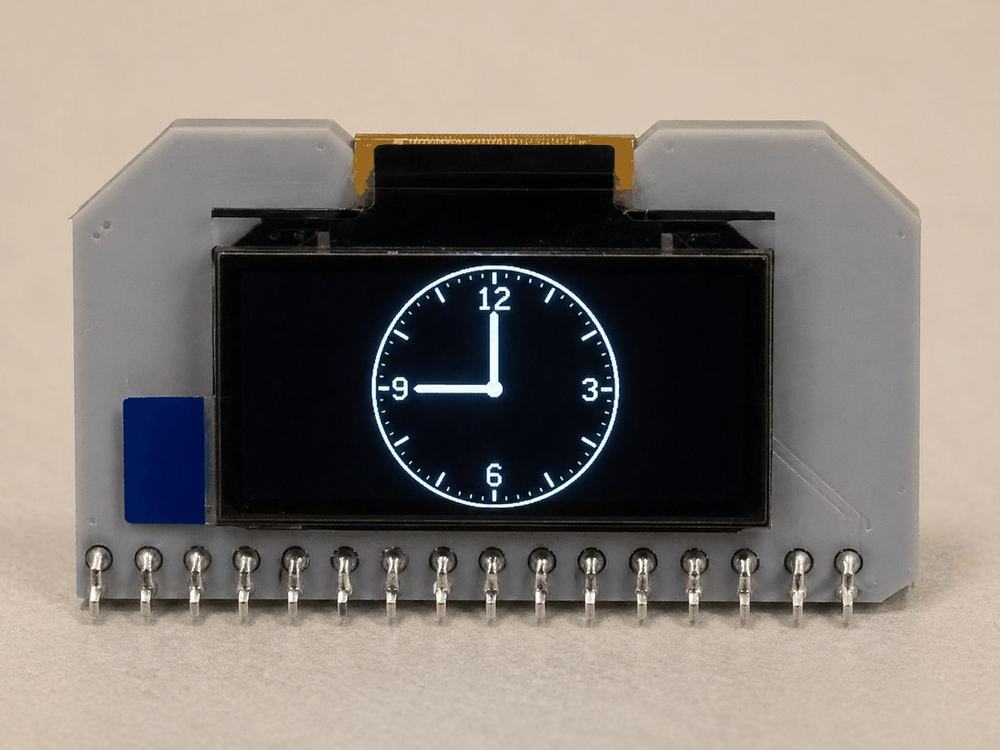
An embedded system that displays humidity and time
Single-board Linux computer, kernel-driver bring-up, userland alignment, OLED output.
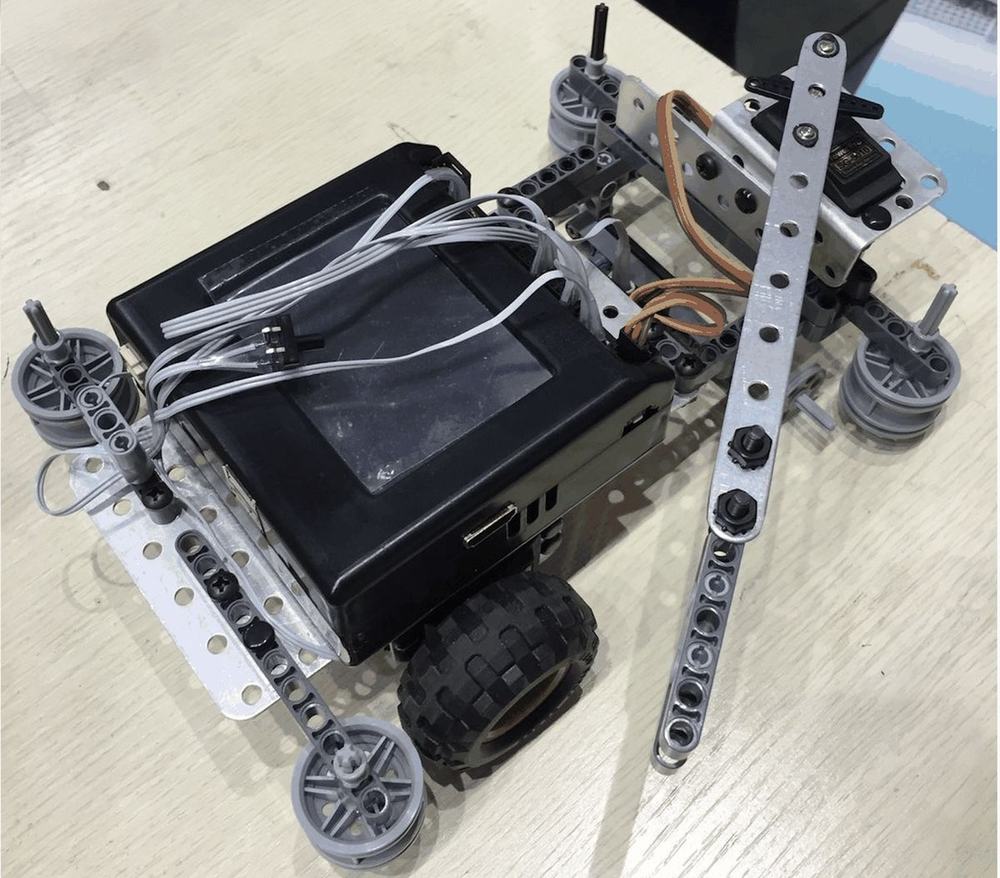
A self driving car that traces black lines
A self-driving car tracing the black guide line with only one photodiode as the input.
Toggle buttons to see different scales
Micro Scale
Microelectronics, photonics, sensors, fabrication, and device-level physical intelligence.
Toggle buttons to see different scales
Atomic Scale
Quantum systems, optical control, precision measurement, and experimental physics platforms.
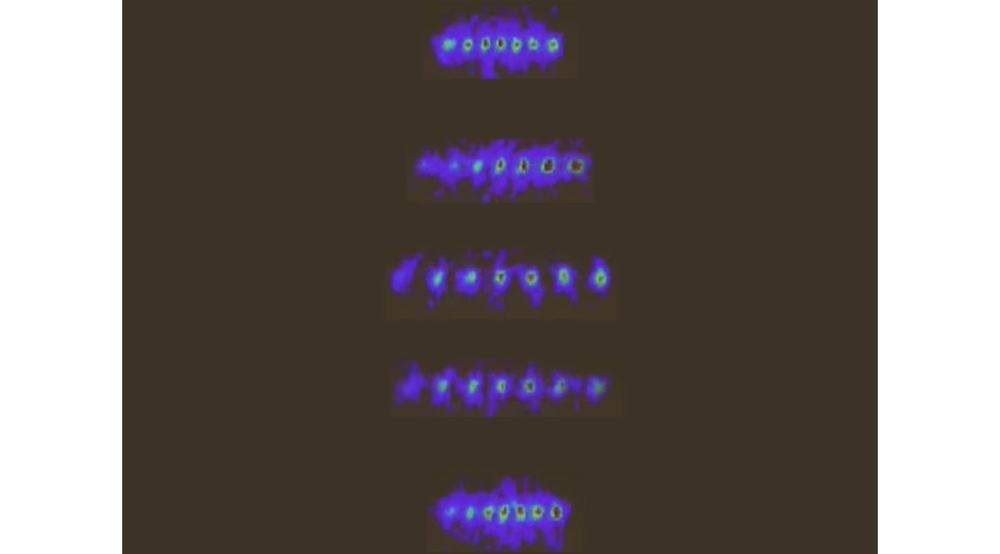
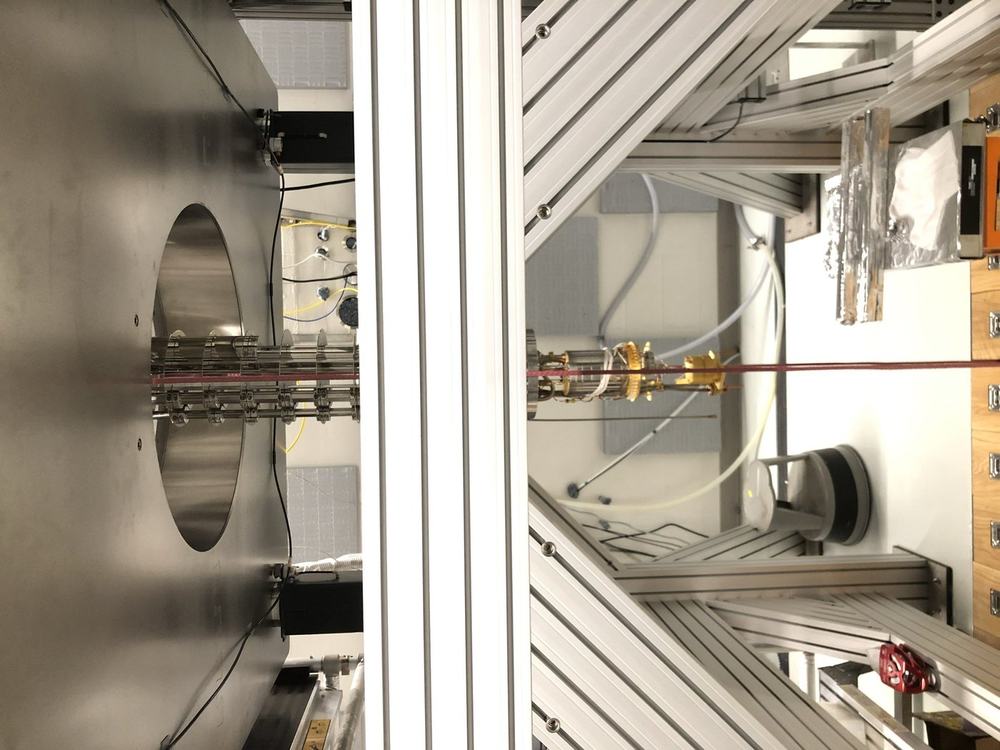
Control cold-atom quatum computer
Simulating the behavior of atomic quantum computers, and set up PID for driving lasers.
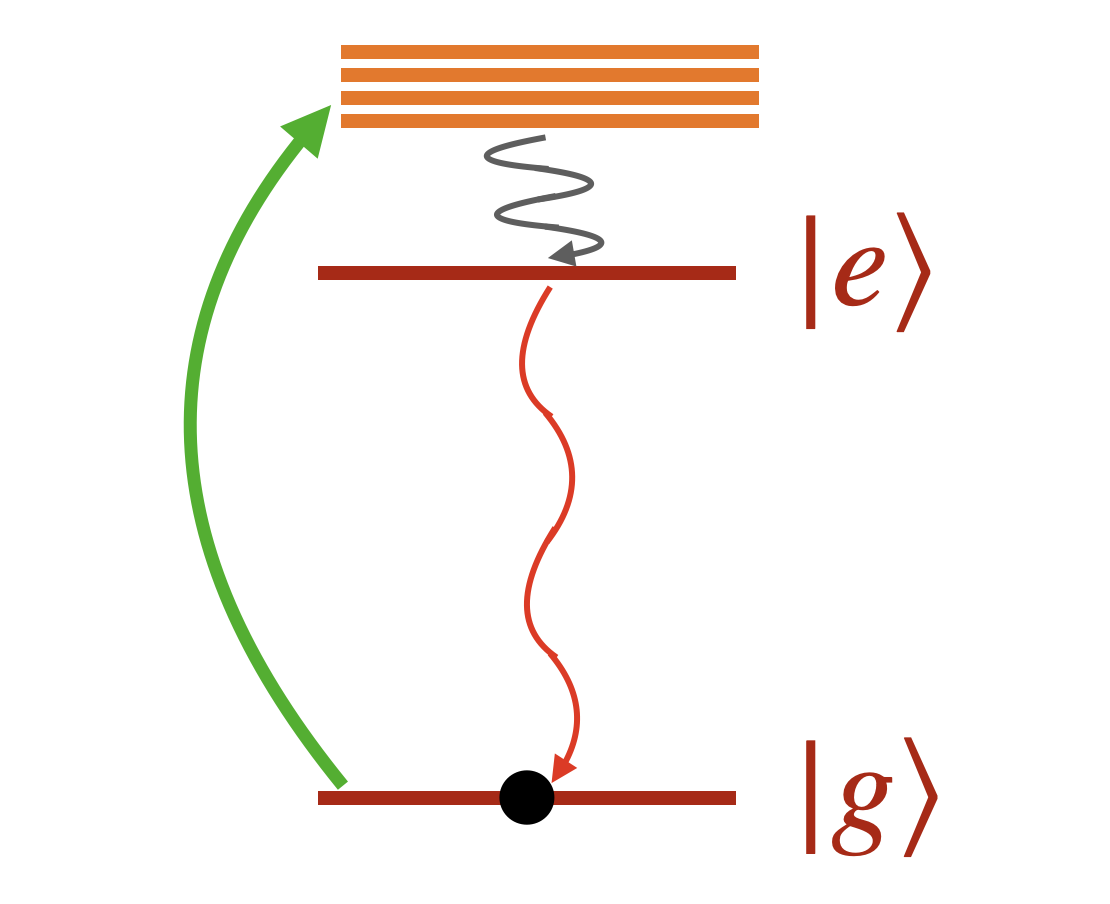
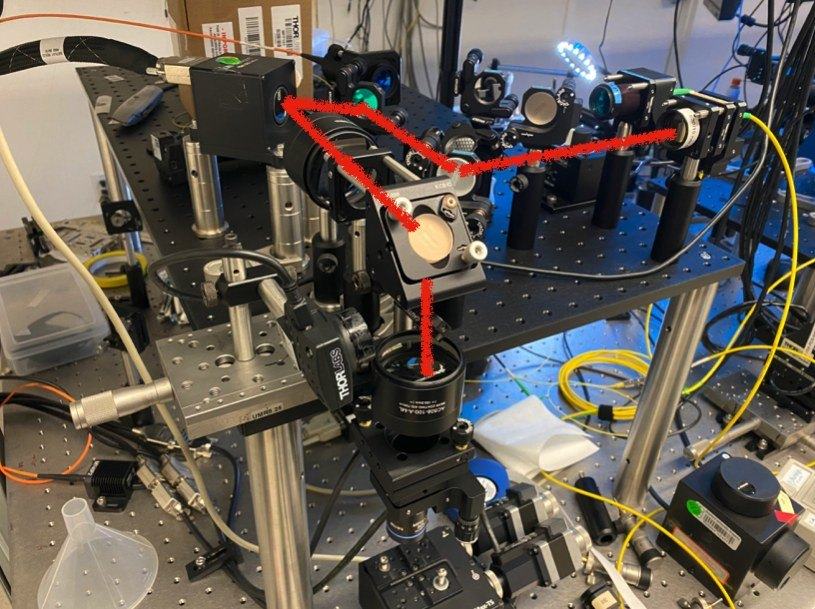
Building a quantum simulator on solid states chip
Using TEM to remove atoms from a perfect crystal and form vacancies for quantum computing.
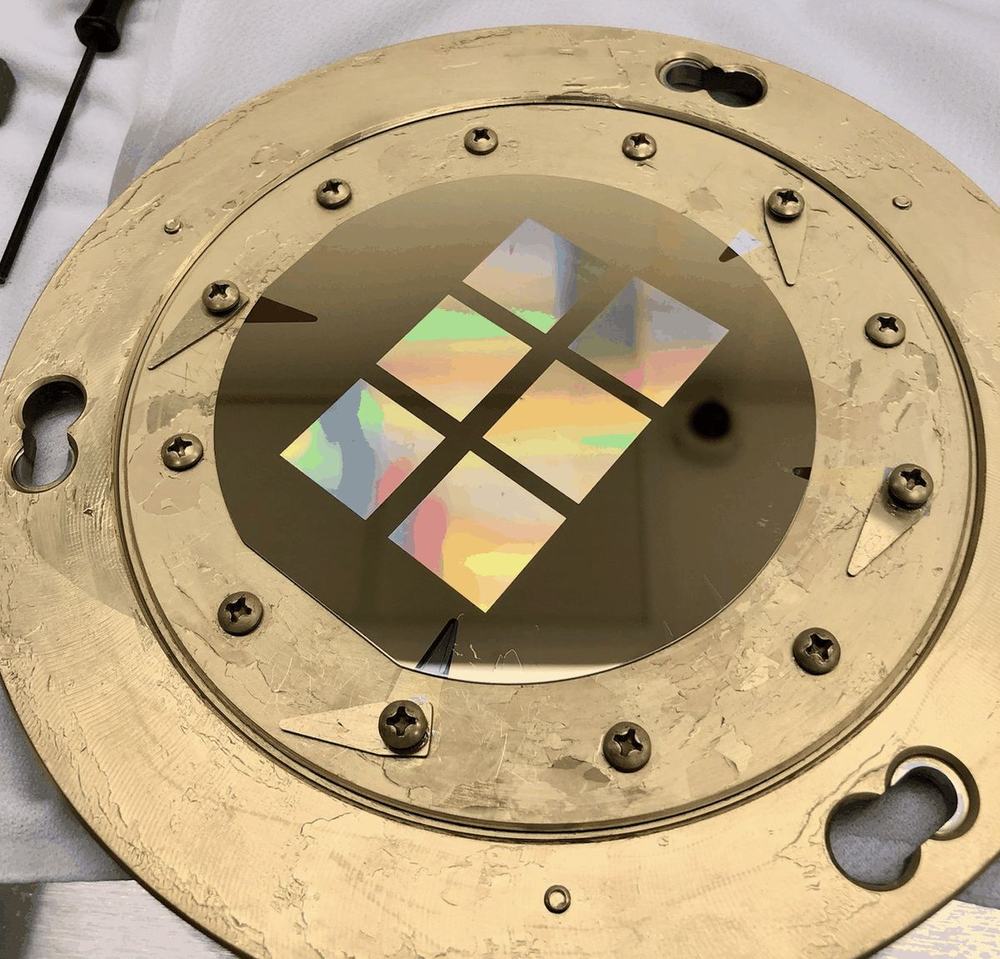
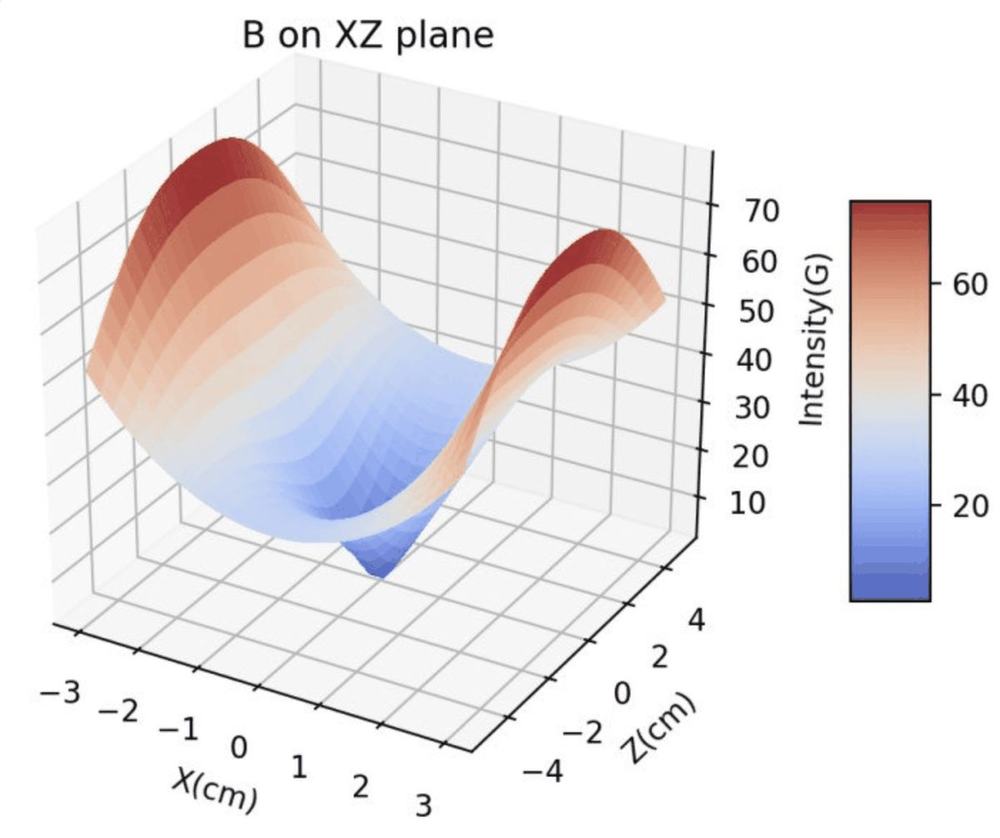
Cooling down atoms with only one laser and a grating
Simulating and fabricating an optical grating that generates required beams for cooling atoms.
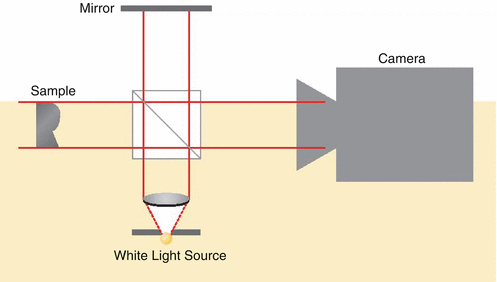
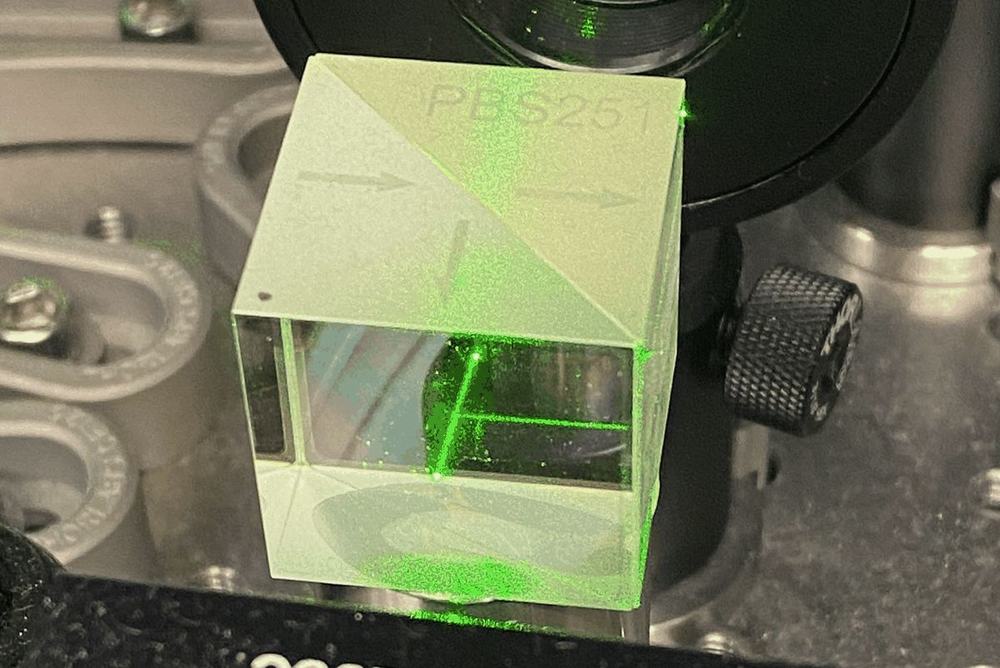
Measuring glass thickness without touching
Building up a interferometer that can measure thickness of transparent objects with white light.
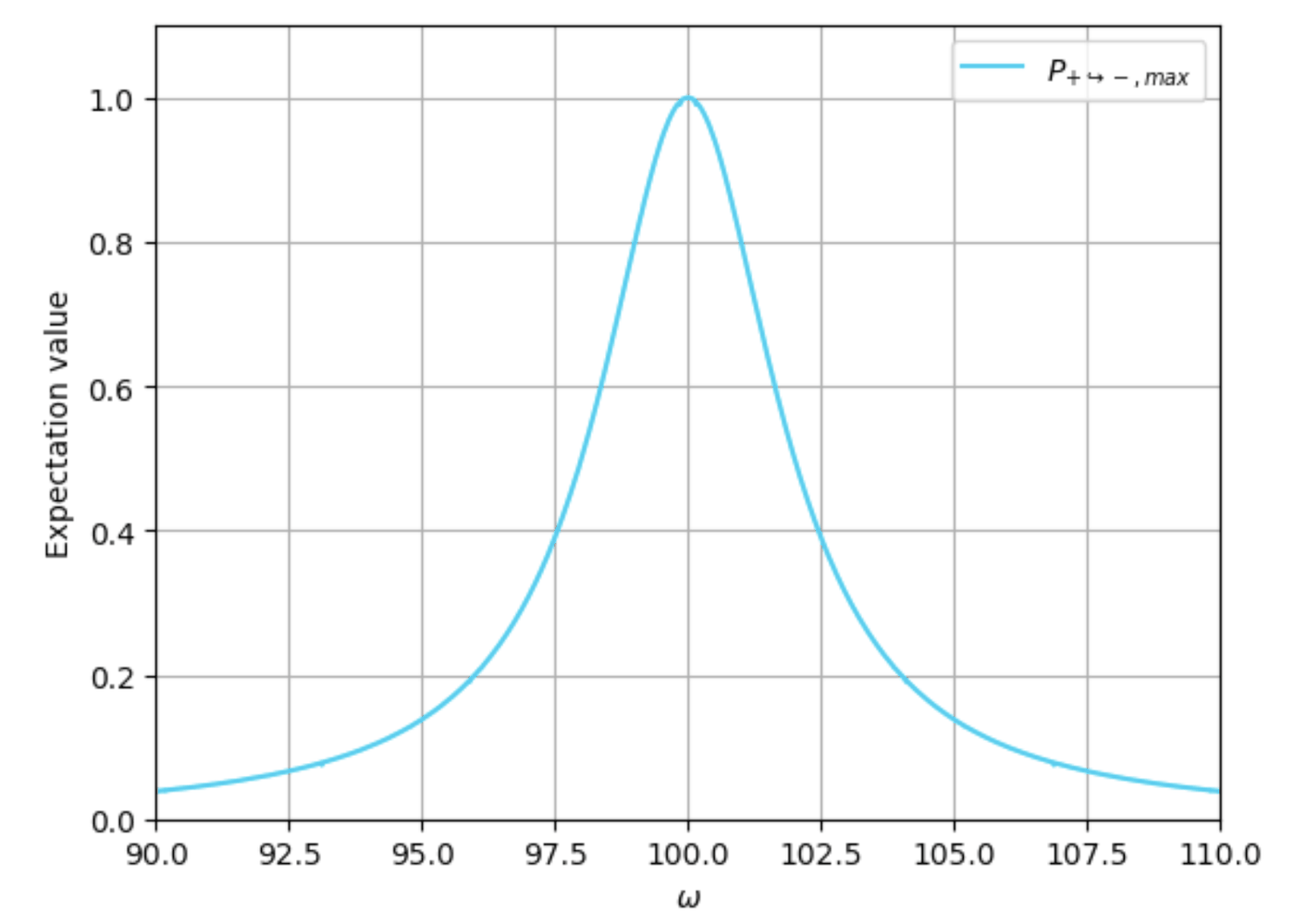
NMR quantum system simulation
Numerical simulation in Python of NMR system's quantum behavior under detuning.
Toggle buttons to see different scales
Other
Exploratory builds, optical demos, and practical experiments that shaped my hands-on intuition.
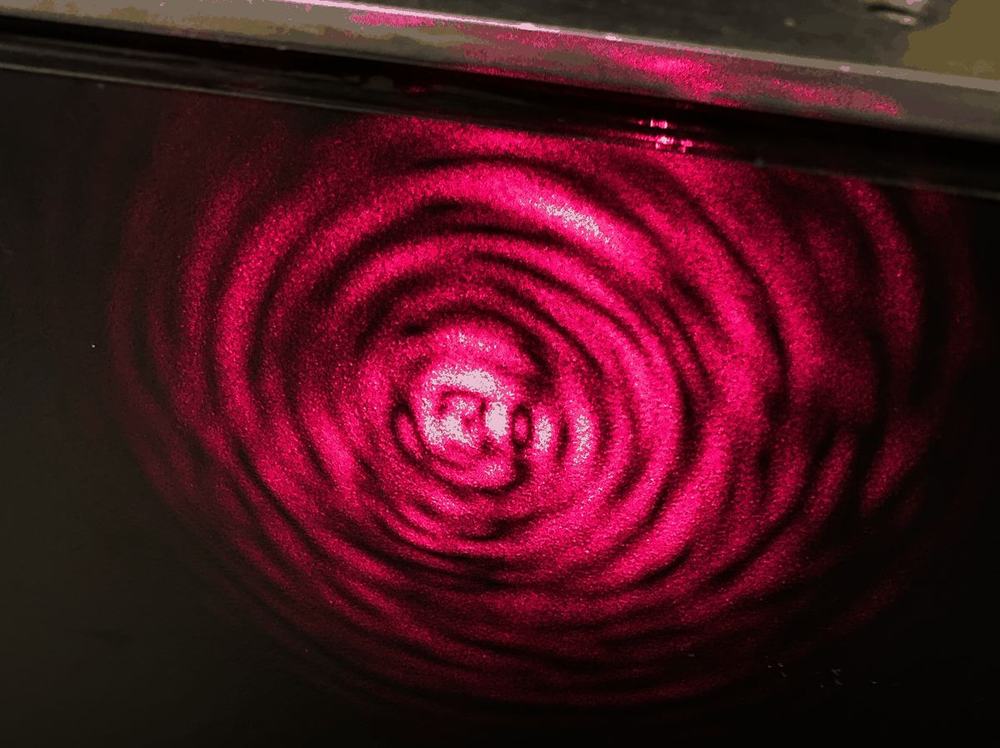
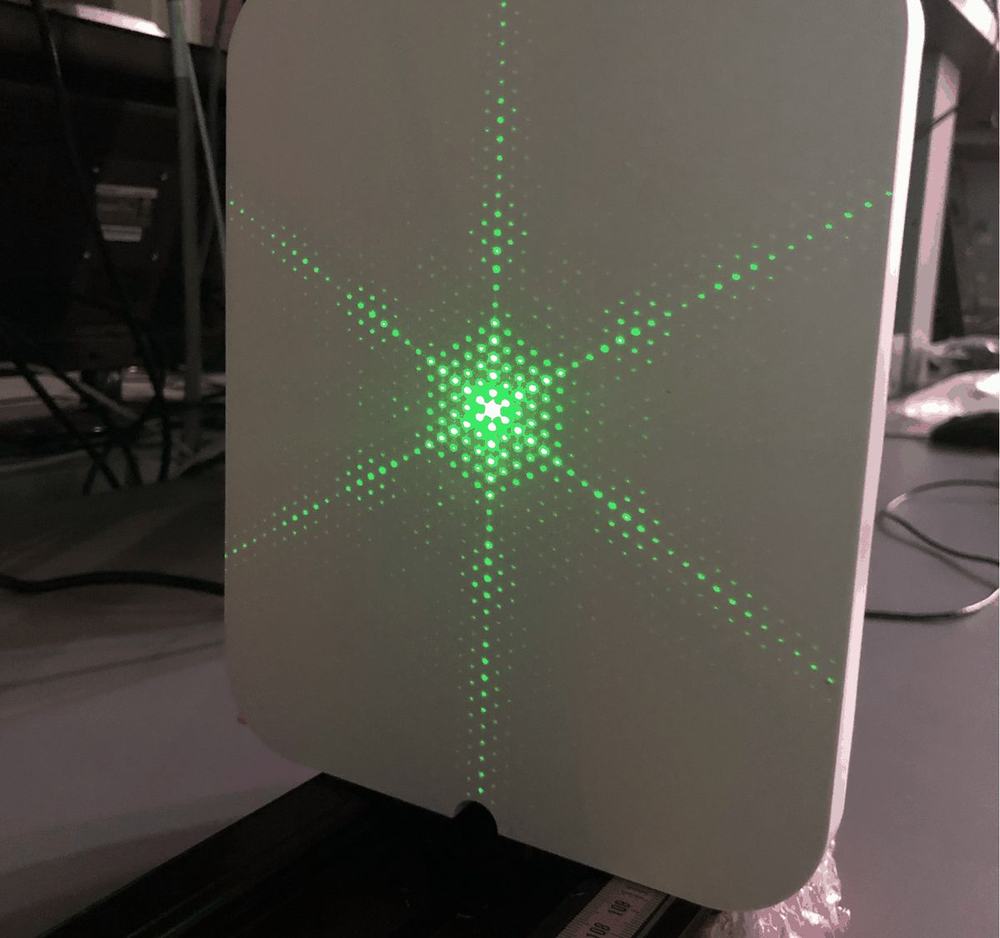
Generate lovely laser beam patterns
We managed to generate rose and flake-like patterns with laser beams under control.
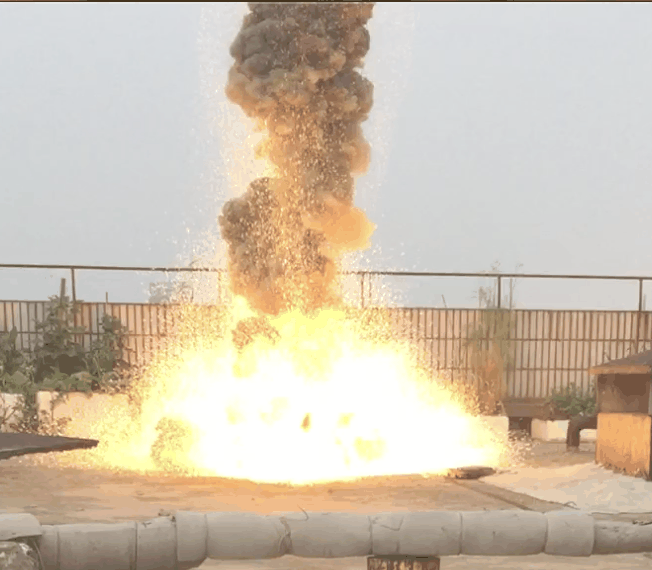
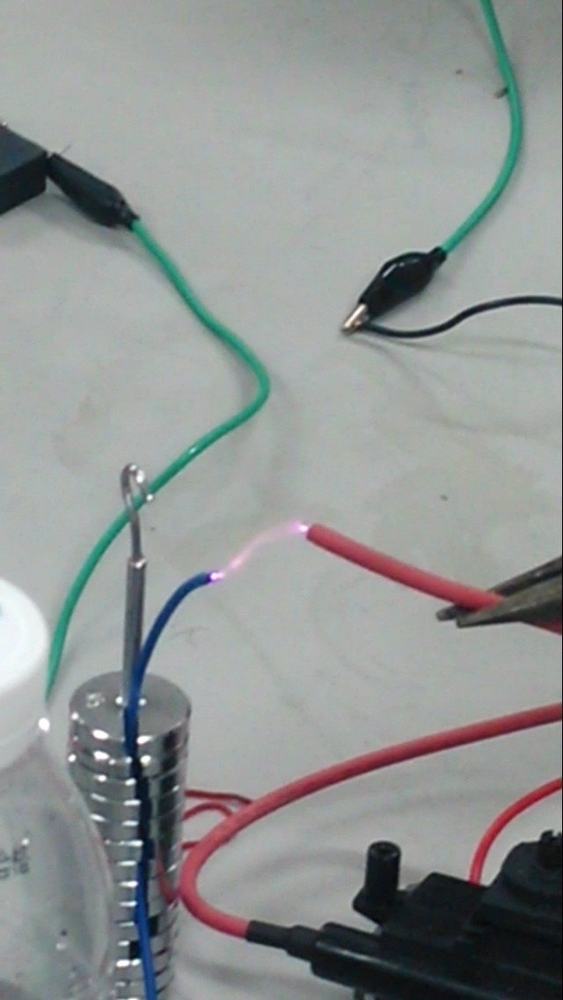
High voltage and explosive experiments
Hand-wound Tesla coil with visible arcs, copper-oxide thermite. High schooler's YOLO project.
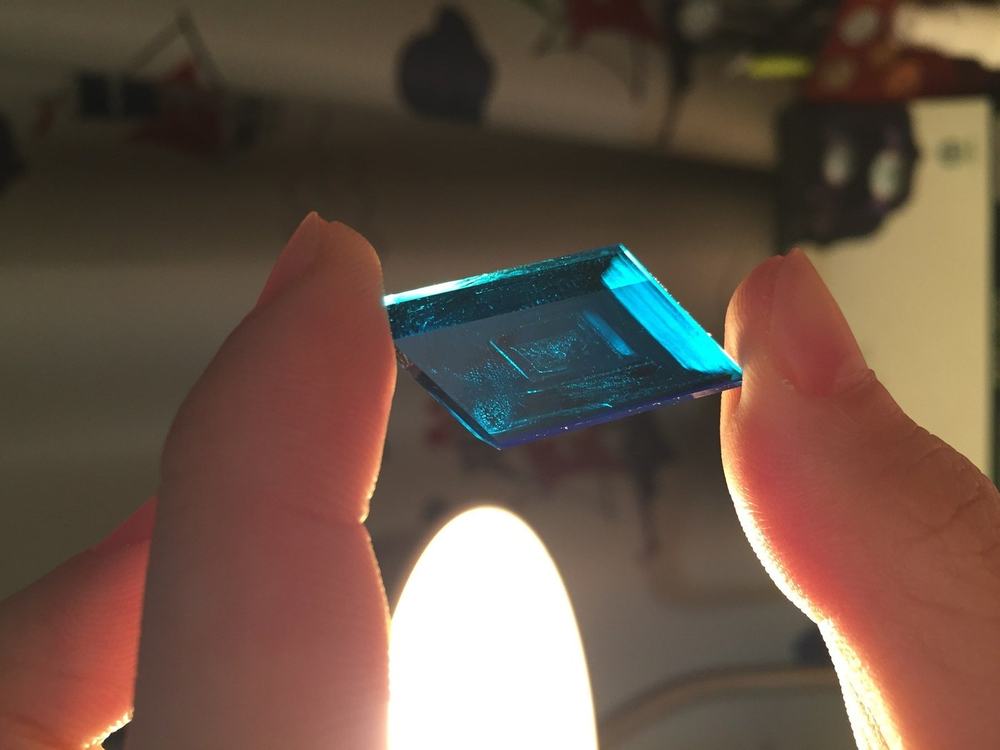
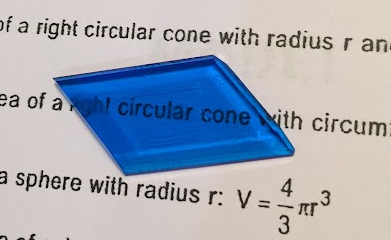
Self-grown copper-sulfate crystal
CuSO₄ crystal cultivated from saturated solution over weeks. Looks nice under light.
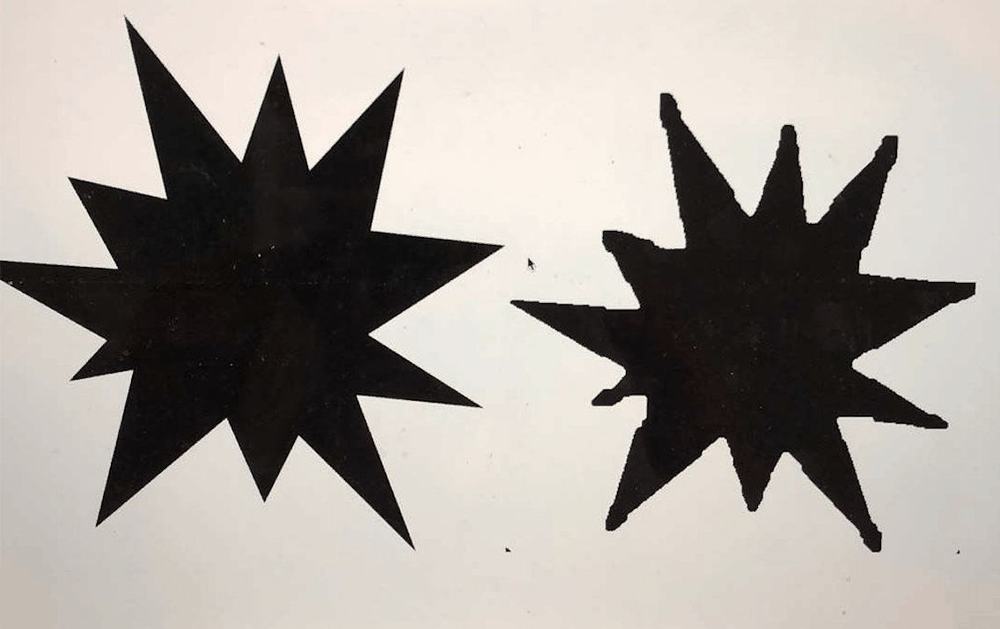
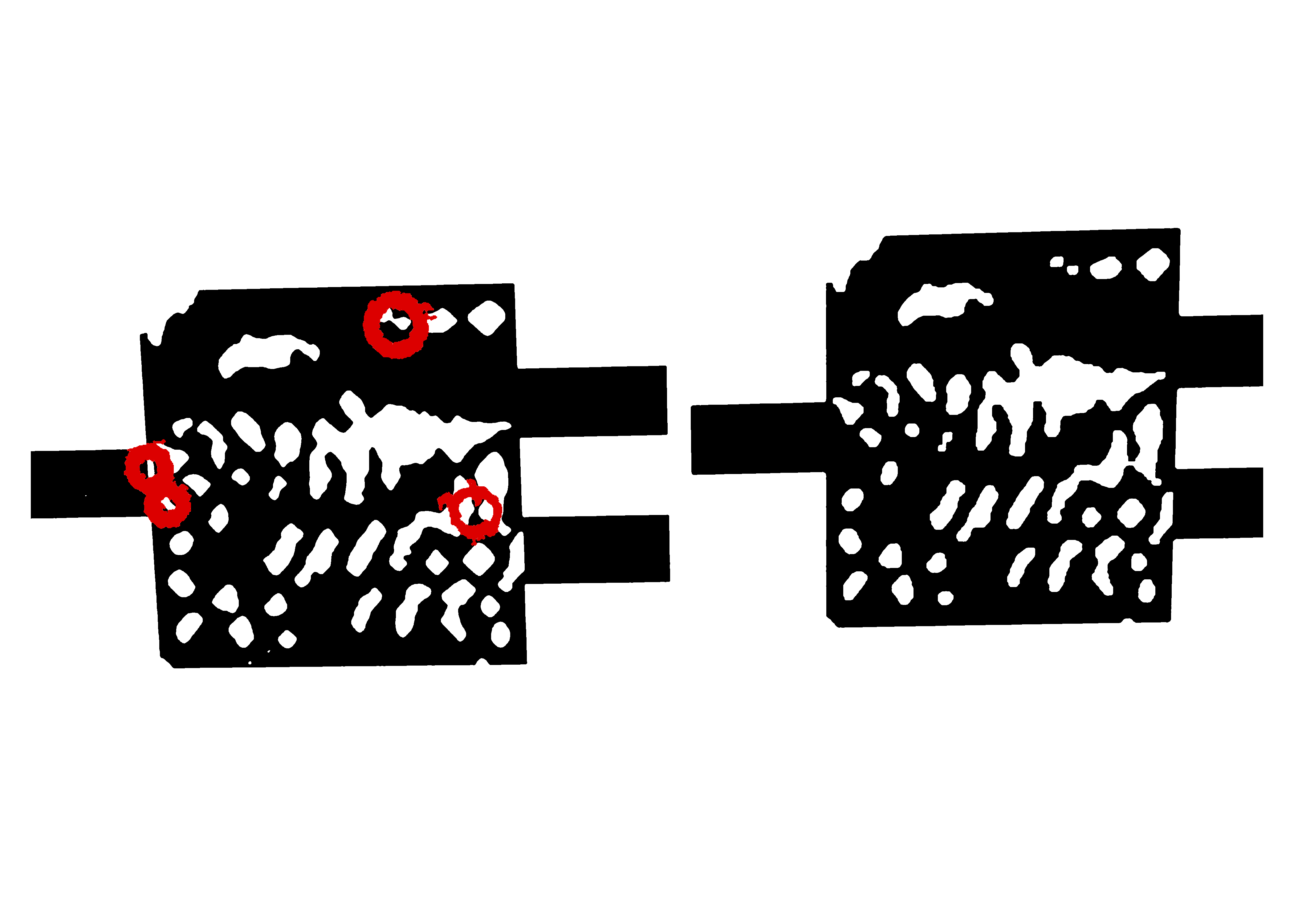
Algorithm for photonic pattern design
Remove sharp edges, thin bridges and small holes for photonic design so they can be fabricated.
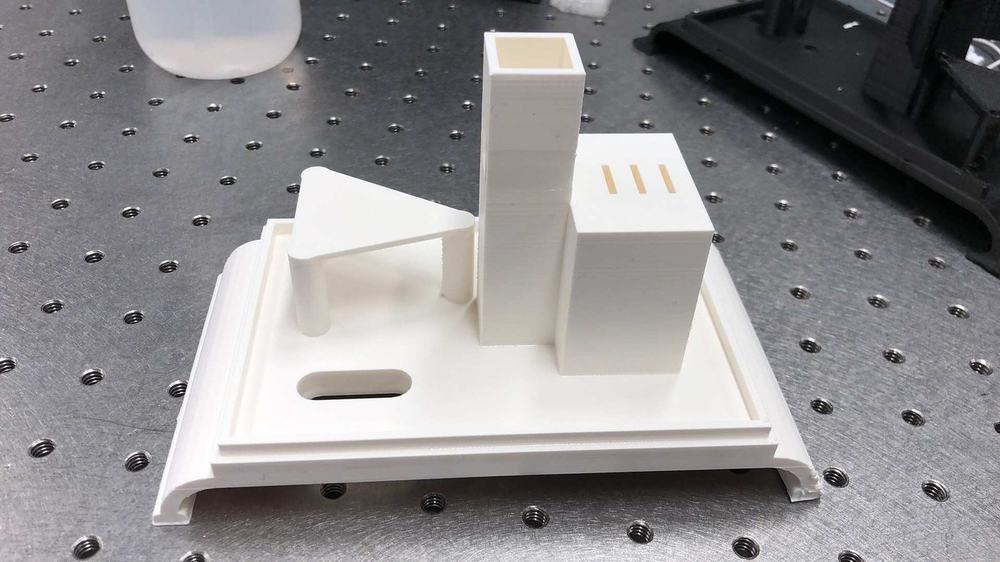
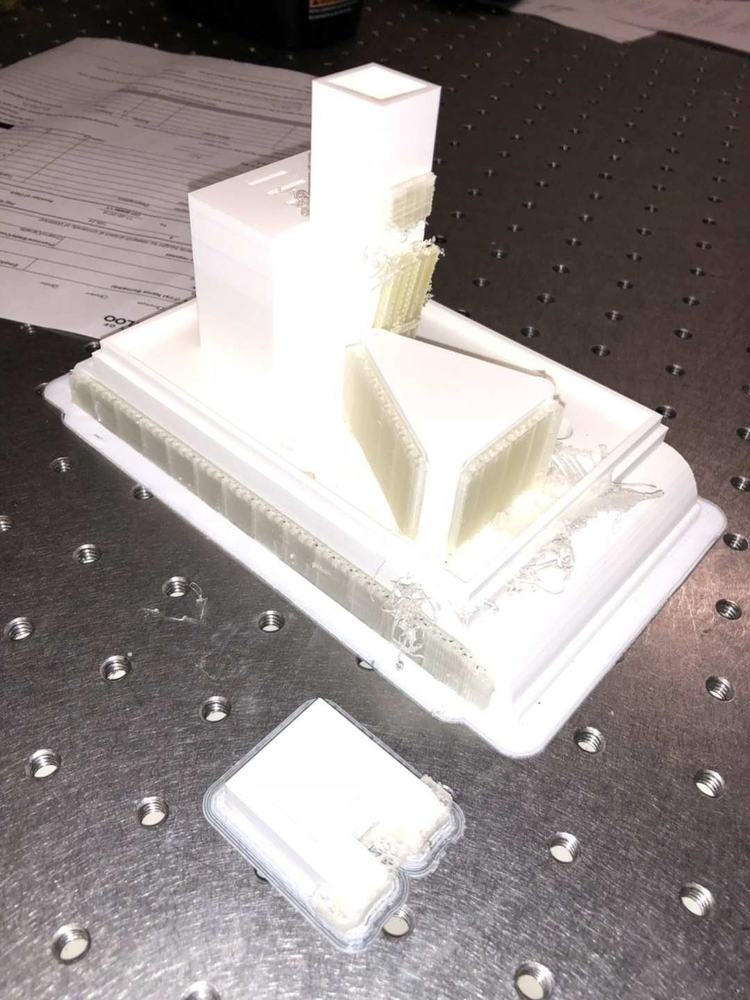
Household milk adulteration detector
A miniature, household device that measures milk adulteration. Spun out as Savormetrics.
Toggle buttons to see different scales
Places I've been
Story continues
Physical intelligence is about giving machines a richer connection to the real world. My work builds the hardware foundation for this connection through soft sensors, tactile arrays, embedded electronics, and sensor fusion. These technologies come together across robotic tactile sensing, biomedical wearables, AR / VR sensing, and physical machines—and four directions that share the same goal: enabling machines to sense bodies, surfaces, motion, and contact as part of intelligent physical interaction.